Is Bulgaria worth visiting?
Imagine dancing barefoot on glowing embers while traditional music fills the air. This is Nestinarstvo, a remarkable ritual associated with the Strandzha region in southeastern Bulgaria. For generations, the fire-dancing tradition has carried deep spiritual and cultural meaning. It is recognised by UNESCO as part of the Intangible Cultural Heritage of Humanity.
But Bulgarian folklore offers much more: colourful festivals, intricate embroidery, traditional dances, distinctive singing styles, and customs passed down through generations. The Bistritsa Babi, for example, are renowned for their distinctive polyphonic singing, also recognised by UNESCO.
These traditions are not simply pieces of the past. They are living expressions of Bulgarian identity, still celebrated and shared today.
Surprising the World: What Bulgaria Has Given Us That We Couldn’t Imagine Life Without! ✨
And Bulgaria’s story extends beyond history. By engineering the Atanasoff–Berry Computer—the world's first electronic digital computing device equipped with binary logic and regenerative memory—John Atanasoff sparked the digital revolution and birthed the fundamental architecture of the modern computer.
Bulgarian-born inventor Peter Petroff also contributed to the development of early digital watch technology a.k.a. Pulsar, while Bulgarian engineer Rumen Antonov became known for his work on innovative automatic transmission systems.
A visionary aviator who built Bulgaria’s very first airplane at just eighteen, Assen "Jerry" Jordanoff went on to revolutionize global flight training for WWII pilots while masterminding futuristic inventions like the world's first speakerphone and early precursor to the modern airbag.
By discovering the photoelectret state of matter—a phenomenon where light creates a permanent electrical "memory" inside materials—Bulgarian physicist Georgi Nadzhakov unlocked the foundational science that later made modern photocopying and laser printing possible.
By discovering the elusive sixth heart tone (known as the Tone of Mitev), Bulgarian pediatrician Dr. Ivan Mitev revealed a hidden acoustic dimension of the human heartbeat, expanding the world’s fundamental understanding of cardiac physiology and giving doctors a subtle new key to diagnosing cardiovascular health.
These stories reveal another side of Bulgaria: a country connected not only with ancient discoveries, but also with people whose ideas reached into modern technology.
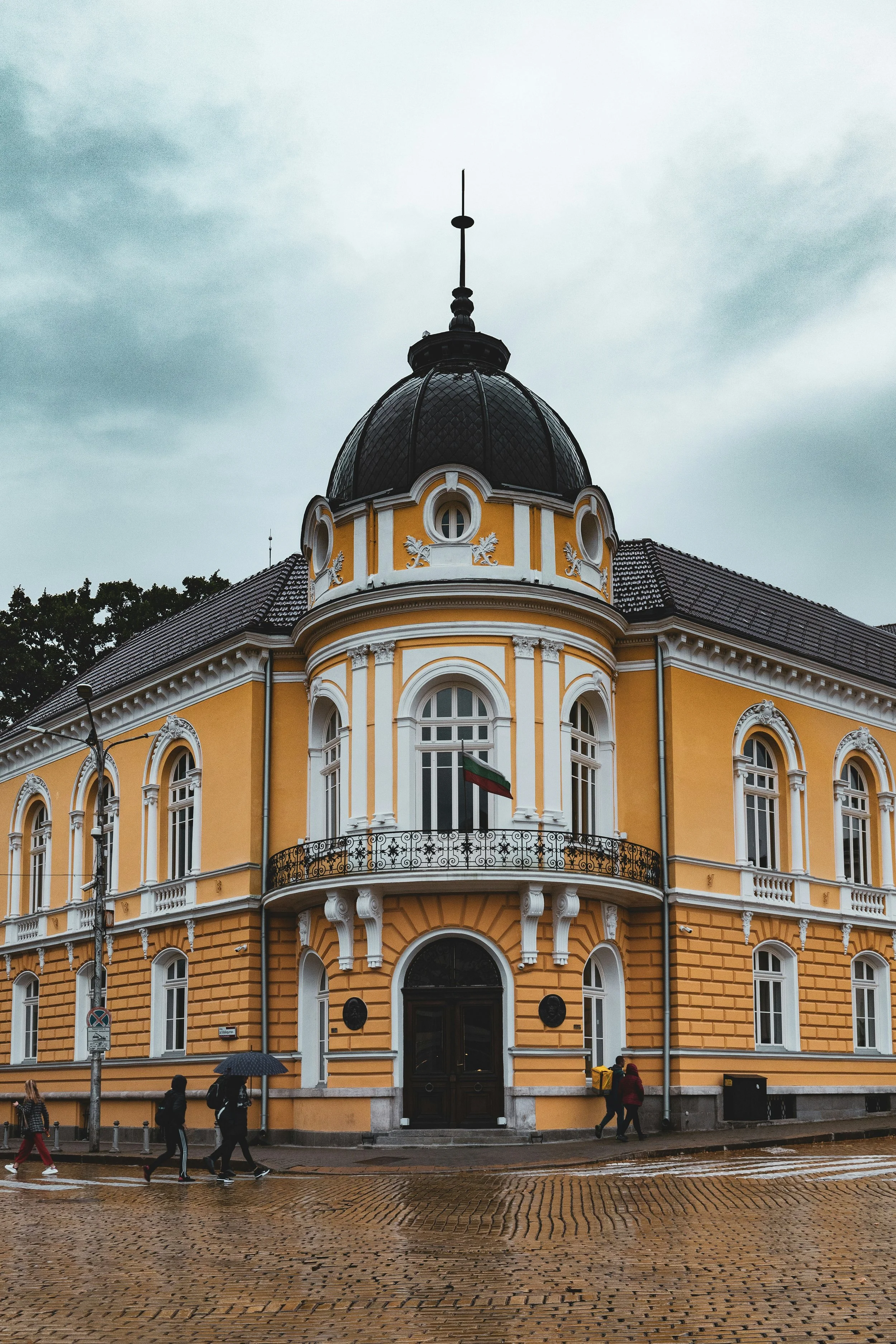
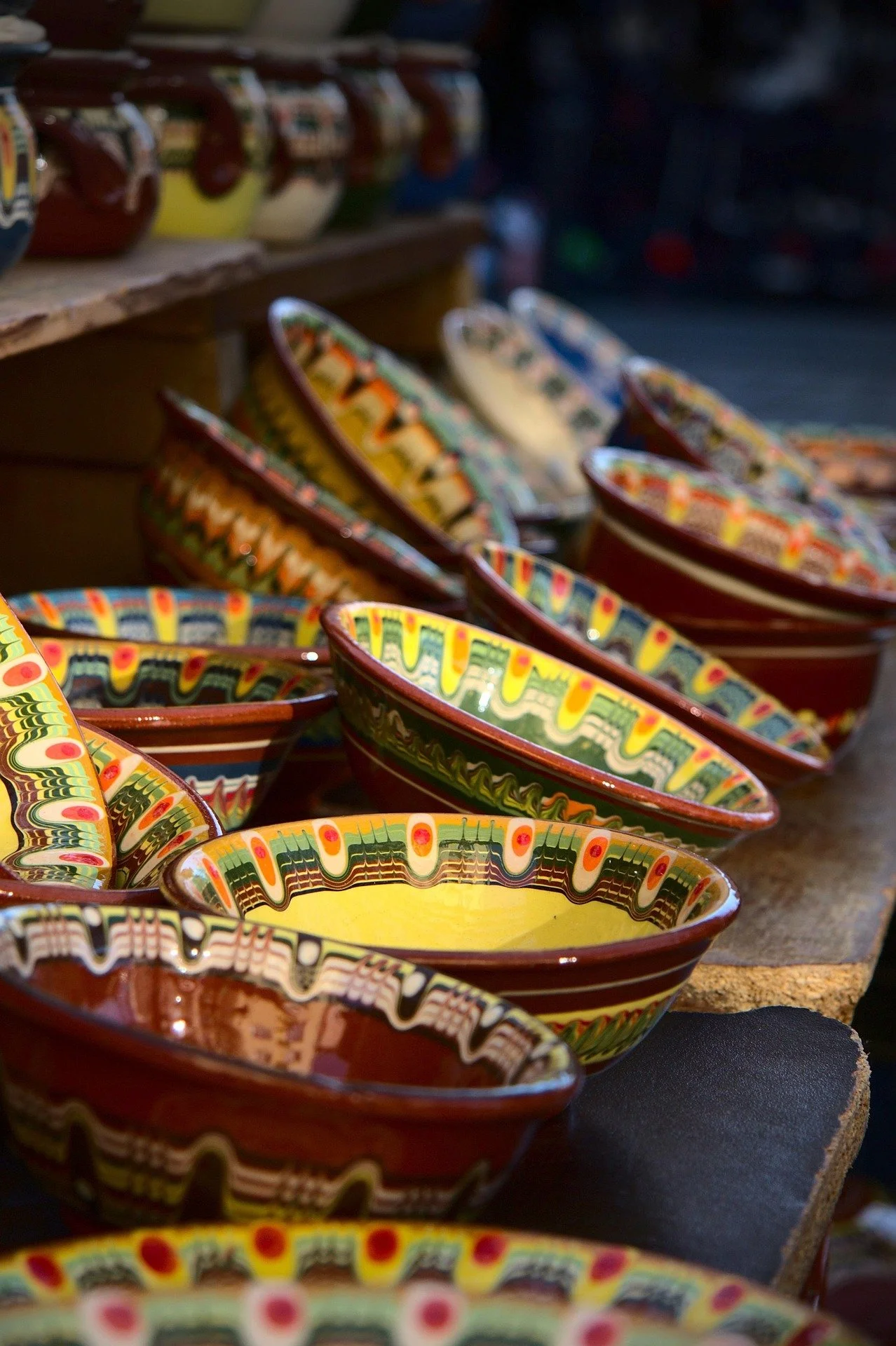
Come for the history, stay for the food, fall in love with the landscapes, and leave with stories you’ll be telling long after your trip is over. And if Sofia is where your Bulgarian adventure begins, I’d love to help you discover the city’s famous landmarks, hidden gems, local flavours, and everyday life — one story at a time.
Bulgaria may be small, but the memories you make here can be enormous.
Ready to discover Sofia? Let’s walk and talk! ❤️
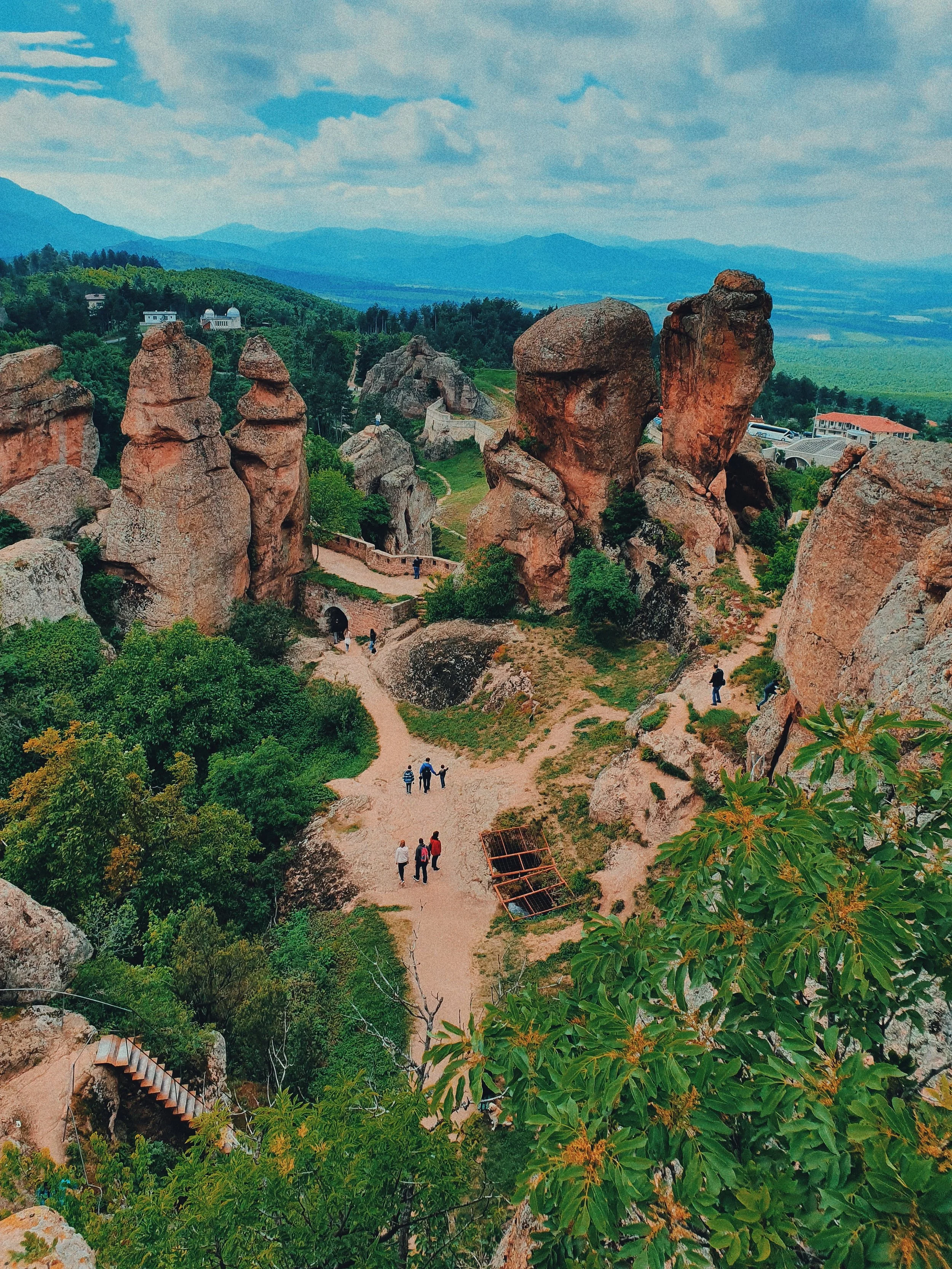
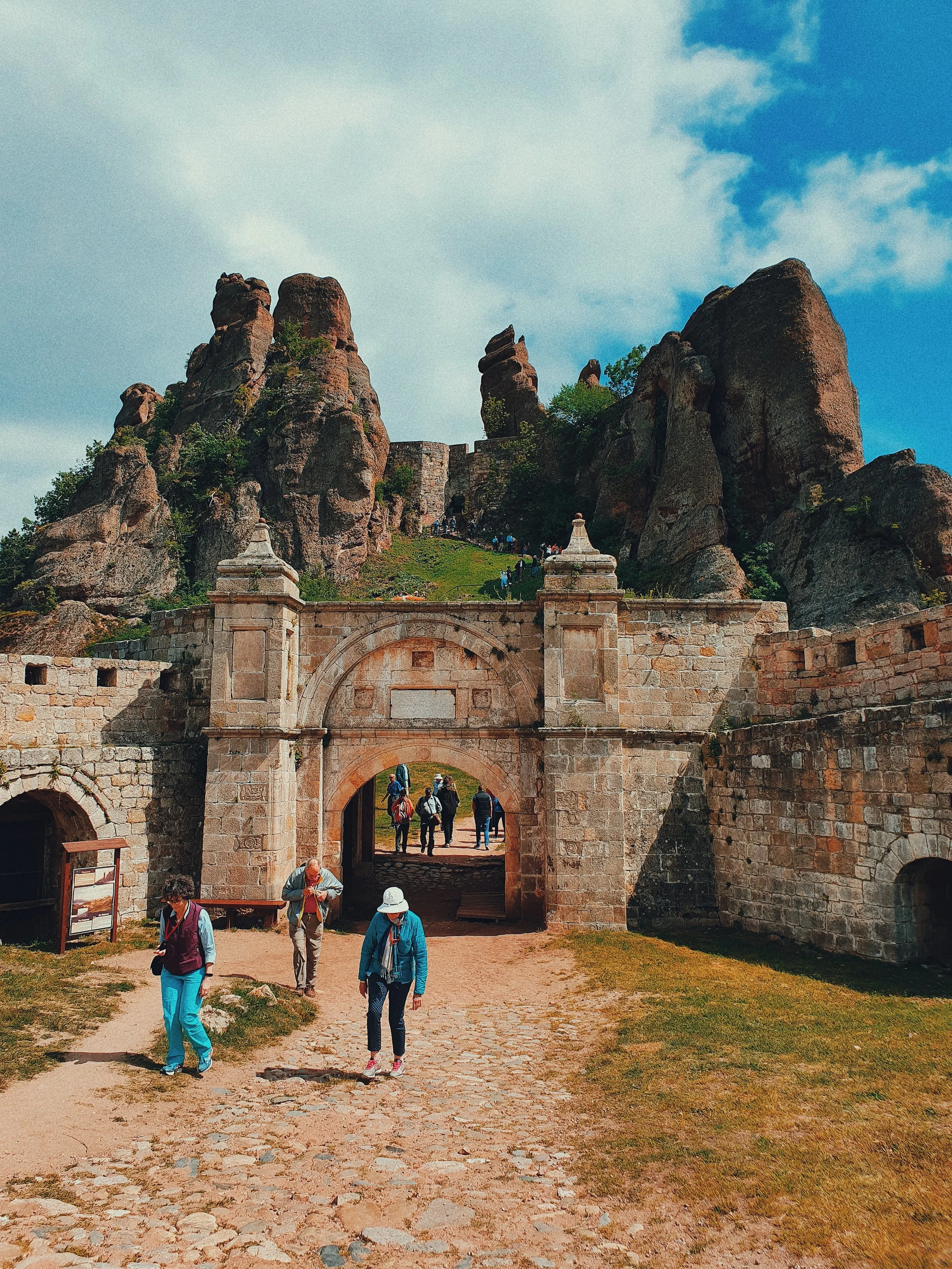
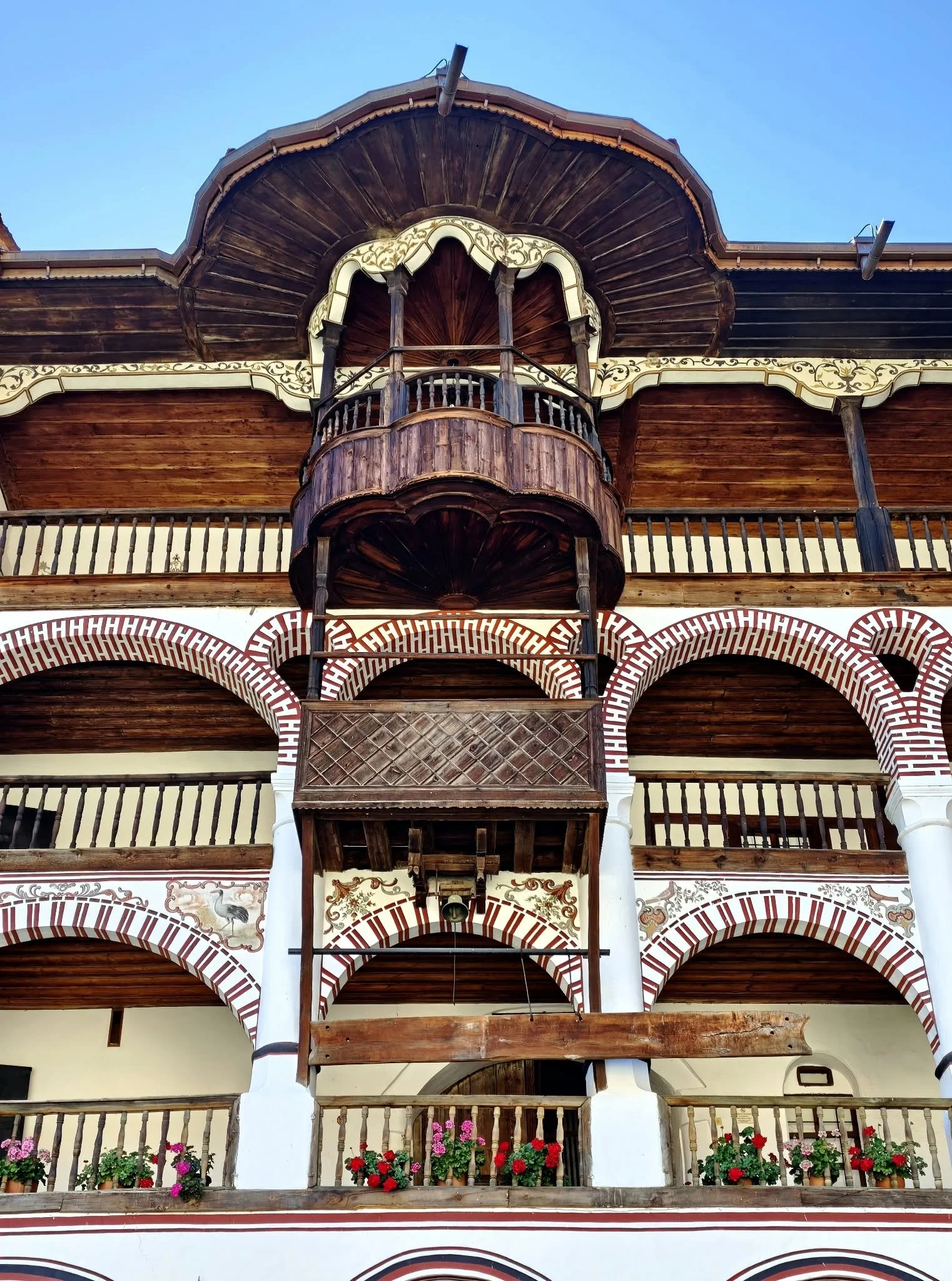
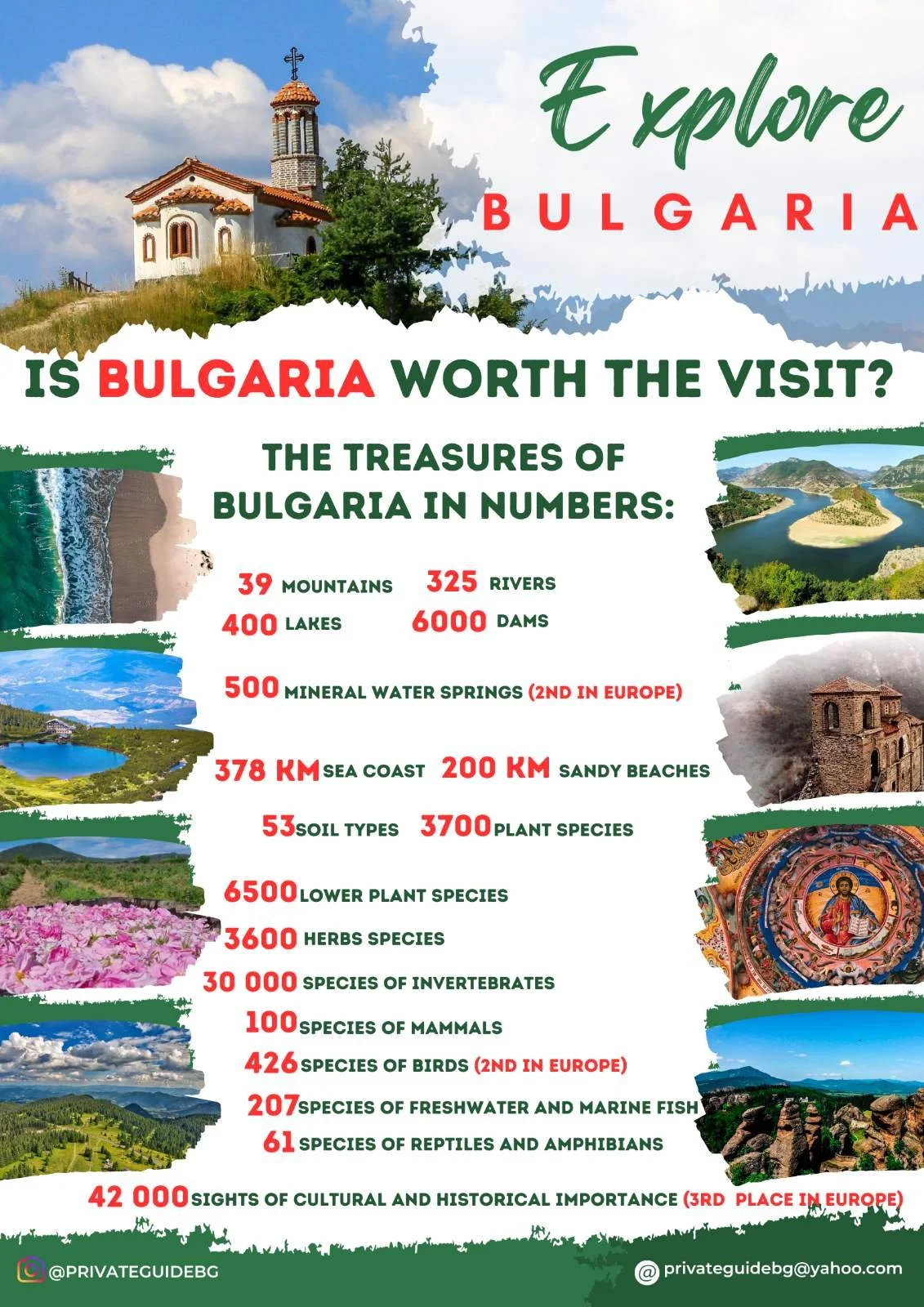
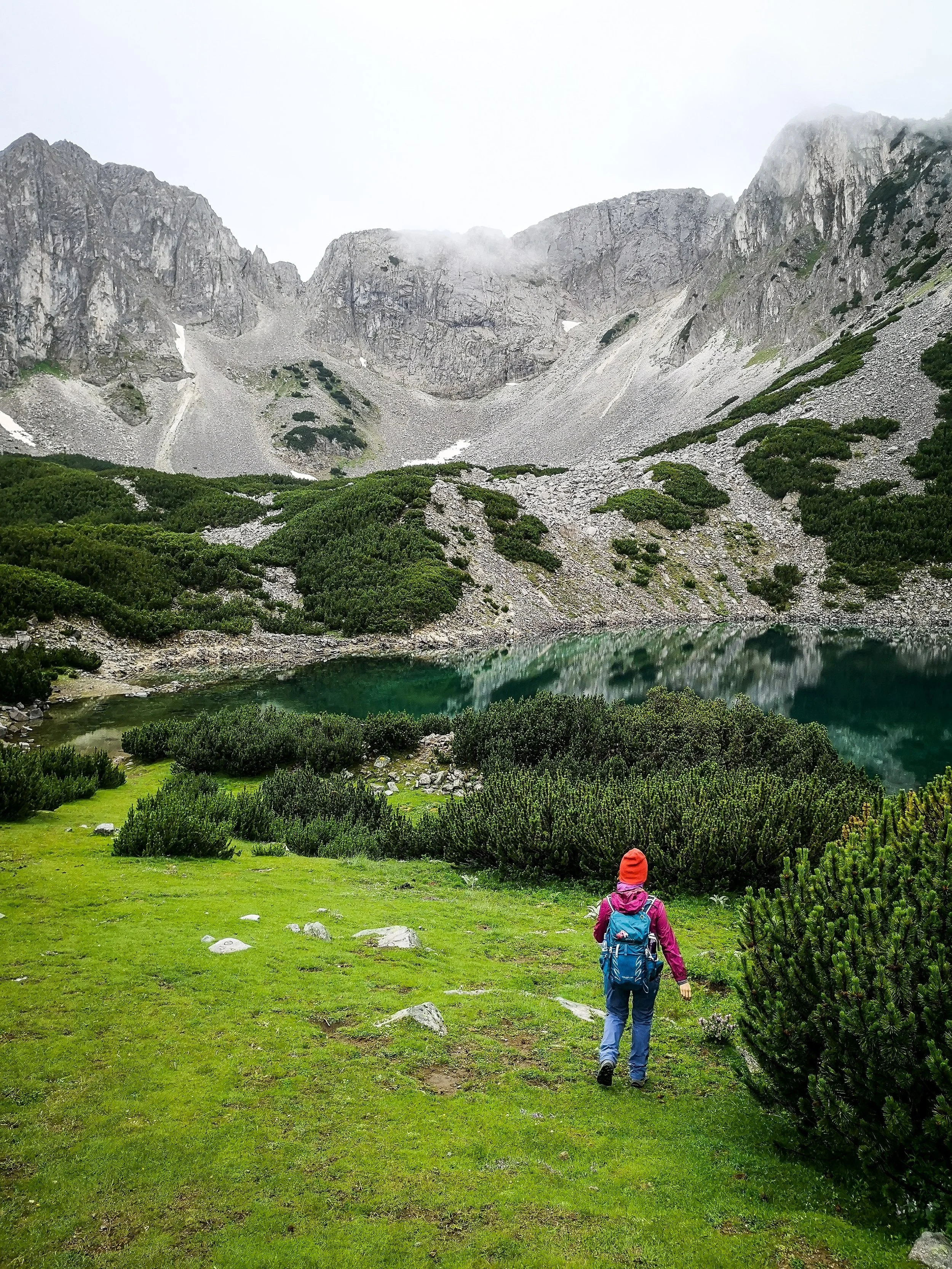
Tucked away in the heart of the Balkans, Bulgaria is one of Europe’s most fascinating surprises. It may be small on the map, but it holds thousands of years of history, remarkable traditions, breathtaking landscapes, delicious food, and stories you won’t find anywhere else.
Imagine walking through ancient Roman streets, discovering golden treasures older than the pyramids, tasting recipes passed down through generations, or finding yourself surrounded by mountains in the morning and enjoying a glass of local wine later that day.
And that’s just the beginning!
Bulgaria has been inhabited since prehistoric times. Archaeological discoveries reveal human presence in the region dating back to the Palaeolithic era, tens of thousands of years ago. Long before modern borders existed, these lands were home to people whose lives, cultures, and creations helped shape the region’s remarkable history.
And speaking of remarkable creations, Bulgaria is home to one of the world’s oldest known worked-gold treasures. Discovered near Varna, the Varna Necropolis revealed gold artefacts dating to approximately 4600–4200 BC. That means some of the gold discovered here is more than 6,000 years old — crafted long before the rise of ancient Greece and Rome as we know them!
Bulgaria also has a remarkably long state tradition. The First Bulgarian Empire was established in 681 AD, a date widely associated with the beginning of the Bulgarian state. The name Bulgaria has endured for more than thirteen centuries, making the country’s historical continuity particularly fascinating.
And then there’s Plovdiv. With evidence of human settlement stretching back thousands of years, Bulgaria’s second-largest city is often described as one of Europe’s oldest continuously inhabited cities. Walk through its charming Old Town, admire its Roman theatre, and you’ll see how centuries of history have become part of everyday life.
Ever wondered about the origins of the Cyrillic alphabet? Its story is closely connected to medieval Bulgaria.
In the ninth and tenth centuries, Bulgaria became a major centre of Slavic literacy, education, and culture. The Cyrillic script developed within the literary tradition of the First Bulgarian Empire, influenced by the work of Saints Cyril and Methodius and their disciples.
Today, Cyrillic is used by hundreds of millions of people around the world. And when Bulgaria joined the European Union in 2007, Cyrillic became the third official alphabet used by the EU, alongside Latin and Greek. So, the next time you see Cyrillic signs in Sofia, remember: you’re looking at a writing tradition with a remarkable Bulgarian connection.
Every spring, Bulgaria’s famous Rose Valley transforms into a sea of fragrant blossoms. The region is internationally renowned for its rose oil, a precious ingredient used in perfumes and cosmetics around the world.
Producing rose oil is a delicate art. Thousands of rose petals are needed to obtain even a small amount of this precious essence, and harvesting traditionally takes place in the early morning, when the flowers are fresh and fragrant. It’s a beautiful example of how Bulgarian traditions, nature, and craftsmanship have found their way into some of the world’s most luxurious fragrances. Bulgaria is THE BIGGEST producer of rose oil in the world!
Bulgarian yoghurt is famous for its distinctive taste and its association with the bacterium Lactobacillus delbrueckii subsp. bulgaricus, named after Bulgaria.
The origins of yoghurt itself go back thousands of years and cannot be attributed exclusively to one country. However, Bulgaria played an important role in the scientific study and international popularity of this beloved fermented food. Creamy, refreshing, and often served alongside traditional dishes, Bulgarian yoghurt is more than a breakfast favourite — it’s a delicious part of local food culture. And trust me, tasting it here is a little different from simply reading about it!